
Looking further is only part of the story
“What’s changing runs much deeper”
Across the work we’re doing, one thing is becoming increasingly clear.
We’re expanding the search for education leaders.
Organisations are looking further afield than ever before. Nationally. Internationally. Beyond the usual pathways.
But what’s becoming just as important is this:
Are we actually ready for what that brings?
The role itself has changed
Leadership roles, particularly at senior and system levels, aren’t what they were even a few years ago.
The expectations are broader. The complexity is greater. The accountability is sharper.
Leaders are navigating:
- workforce challenges
- increasing compliance and governance expectations
- community and stakeholder pressures
- shifting educational priorities
- and the ongoing need to lead change, not just manage operations
As the role has expanded, so too has the need to look beyond traditional candidate pools.
The local pipeline is under pressure
In many regions, we’re seeing fewer leaders putting themselves forward for senior roles.
Not because the capability isn’t there.
But because the cost of leadership, professionally and personally, is becoming more visible.
This is leading organisations to:
- widen their search
consider non-traditional pathways
explore international candidates where they may not have before
Global search is increasing… but readiness varies
There’s a growing openness to looking globally for leadership.
But what’s less clear is whether all organisations are truly ready for what that brings.
Appointing an international leader isn’t just about attraction. It requires:
- clarity of role and expectations
- support structures for transition
- understanding of system and cultural differences
alignment at governance and executive level
Without this, even strong appointments can struggle.
Candidates are also shifting how they choose
At the same time, candidates are approaching these roles differently.
Senior leaders aren’t just asking: “Is this the right next step?”
They’re asking:
- Is this organisation ready for me?
- Is the governance stable?
- Is there alignment in expectations?
- What support will I have in the first 6 to 12 months?
In many cases, highly capable leaders are stepping back from opportunities that don’t provide this clarity.
Appointments are taking longer and requiring more care
We’re seeing longer timeframes in leadership appointments.
More conversation. More scrutiny. More consideration from both sides.
This isn’t inefficiency. It’s just the reality of how complex these roles have become.
So, what does this mean for organisations?
It means leadership appointments can no longer be approached as a transactional process.
They are becoming:
- more strategic
- more complex
- more reflective of the organisation itself
The search for a leader is also a reflection of:
- organisational clarity
- readiness for change
- and the strength of governance and support structures
Across the work we’re doing, there’s no single formula for a successful appointment.
Some roles require a broad search. Others are far more targeted.
What matters is the thinking behind it.
The most successful appointments are those where:
- the role is clearly defined
- the organisation understands what it actually needs
- and the conditions are in place for a leader to succeed
Final reflection
We’re expanding the search.
Looking further than we have before, across new markets and pathways, to find the right leaders for these roles.
But for schools and boards, the real question is this:
Are we ready for what that brings?
Because finding the right leader is only part of the work. Preparing for their success is what defines the outcome.
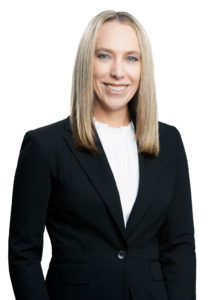
Tara Staritski
CEO & Founder