
Early in my career as a school leader, I was asked in an interview: “What’s your leadership style?” I gave the answer I thought they wanted – something about being collaborative, building trust, empowering teams. And it wasn’t untrue. But it wasn’t the whole truth either.
The whole truth? I didn’t have a single style. I had defaults. The tendencies I leaned into when things were steady – the status quo.
But the moments I’ve felt that actually defined my leadership? They were the ones where I had to set those defaults aside and respond to what the situation, the team, or the individual in front of me genuinely needed.
We’ve become comfortable with the idea that leaders should identify “their style” and lean into it. The language and multitude of leadership styles – servant leader, transformational leader, democratic leader – can be useful shorthand. However, I believe it becomes problematic when it turns into an identity we cling to.
When your style becomes your brand, it’s very easy to stop reading the room and start leading for this identity instead of the people in front of you.
Daniel Goleman’s research on leadership, published in the Harvard Business Review, found that the most effective leaders don’t rely on a single approach. They move fluidly between styles depending on the demands of the moment – coaching here, setting pace there, providing direction when clarity is needed. Goleman argued that this flexibility wasn’t a nice-to-have; it was the defining characteristic of leaders who consistently delivered results. Hersey and Blanchard’s Situational Leadership model reinforced the same insight: the “right” leadership approach depends entirely on the readiness and needs of the people you’re leading.
The research confirms what most experienced leaders already feel: context is everything.
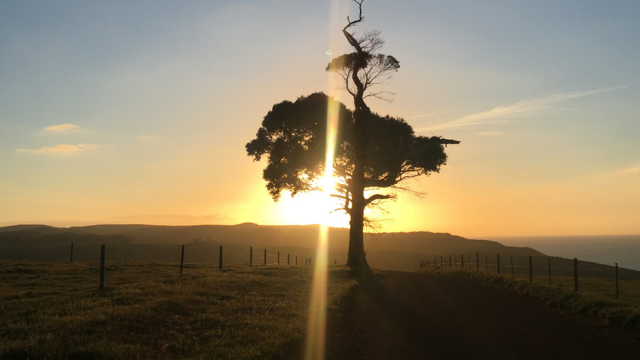
In January 2020, I learned this in a way no leadership course could teach. I was leading Parndana Campus on Kangaroo Island when the devastating summer bushfires tore through our community. Families and Staff lost their homes, their belongings and their livelihoods. The landscape that had defined our rural way of life was reduced to ash. We were extremely fortunate that the school itself was still standing – many in our community weren’t so lucky.
In those first days and weeks, no one needed my strategic plan. No one needed a vision statement or a performance framework. What they needed was someone who would be present, genuinely present, and responsive to where they actually were at this moment. Some staff needed practical direction: what do we do on Monday when the kids come back? Others needed space to grieve. Some families and staff needed the school to feel like the one stable thing in a world that had been turned upside down. And a few needed someone to simply sit with them and say nothing at all.
There was no single “approach” that fit that moment. There was only the willingness to read each person, each conversation, and respond to what was actually in front of me – not what a leadership playbook said should be there.
Since then, I’ve been privileged to lead in very different contexts – larger teams, global markets, corporate environments. I’ve learned the same lesson in these contexts that I learned in Parndana:
Genuinely seek to understand a person before you set expectations. Read the situation before you reach for a playbook. Hold the bar high, but also know that how you get there will likely have to change every time.
The leaders I admire most are the ones who notice what’s needed and adjust because they’re genuinely paying attention.
I still think about those early weeks after the fires. The staff member who needed a plan for Monday. The child who needed the grounding of consistent routines. The parent who needed the school to just feel normal. The colleague who needed someone to sit with them and say nothing at all.
No single approach could have met all of them appropriately.
The only thing that mattered in that moment was being willing and open to meet each person where they were.